

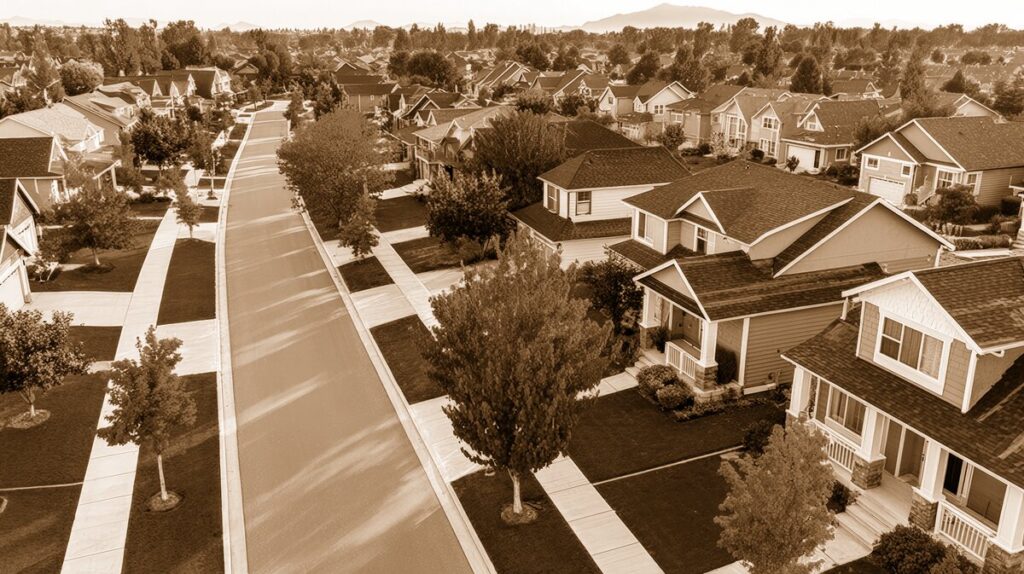
Nestled in the leafy heart of Greenville, North Carolina, the Lynndale neighborhood stands as a living testament to the city’s growth, community spirit, and respect for heritage. For decades, residents and visitors alike have admired Lynndale’s tree-lined streets, stately homes, and quiet sense of pride—qualities that make this neighborhood a cherished chapter in Greenville’s story.
The Origins of Lynndale: A Vision for Greenville Living
The roots of Lynndale stretch back to the late 1950s and early 1960s, a transformational period when Greenville began to spread westward beyond its original city center. At that time, Greenville was rapidly evolving from a small college town into a hub for commerce and healthcare, thanks to the growth of East Carolina University and the medical community.
Enterprising developers saw opportunity in Greenville’s rolling, wooded edges. The area that would become Lynndale—set along the then quiet roads of what is now Lynndale Drive and Hooker Road—promised an idyllic residential setting with room to grow. Inspired by the lush stands of pine and hardwood that dominated the land, planners set out to design a neighborhood that blended nature, community, and elegance.
How Lynndale Got Its Name
According to longtime residents and historical accounts, the neighborhood’s name was chosen to evoke the natural landscape—specifically, the abundance of beautiful linden (or lime) trees that dotted the area. “Lynn” is derived from the word “linden,” while “dale” refers to a valley or open area. Together, “Lynndale” reflects both the wooded character and the gentle, rolling terrain of the neighborhood’s origins.
The name itself became a selling point, inviting families to settle in a place that promised peacefulness, greenery, and a sense of retreat—while still being only minutes from downtown, the university, and schools.
Key Historical Milestones
Lynndale’s history is marked by a series of milestones that mirror Greenville’s own development:
- Early Homes and Streetscapes (1960s-1970s)
Lynndale’s earliest homes date back to the early 1960s, as families sought larger lots, modern amenities, and a community-oriented environment. Streets like Lynndale Drive, Buckingham Drive, and Pineview Drive became the backbone of the neighborhood, known for their broad lawns and classic brick ranch-style houses. Builders and homeowners planted hundreds of trees, which today create lush canopies that shade the roads each summer.
- Growth and Community Establishments (1980s-1990s)
As Greenville’s population expanded, so too did Lynndale. New cul-de-sacs and side streets—think Greenfield Terrace and Avon Road—extended the neighborhood, but careful planning maintained its intimate feel. The establishment of Lynndale Swim Club provided a focal point for recreation and neighborly camaraderie; for many families, summer memories are forever linked to the pool and tennis courts on Lynndale Drive.
- Preservation, Revitalization, and Diversity (2000s-Present)
In recent decades, Lynndale has seen waves of revitalization. Many original homes have been lovingly updated by a new generation of residents, while new construction carefully blends with the classic character of the neighborhood. Today, Lynndale is more diverse than ever, home to families, retirees, professionals, and university faculty—all connected by a love of heritage and community.
Notable Landmarks, Streets, and Institutions
What would Lynndale be without its landmarks and defining institutions? Several stand out:
- Lynndale Park
At the corner of Windsor Drive and Lynndale Drive, Lynndale Park serves as the “green heart” of the neighborhood. With open spaces, playgrounds, and towering trees, it’s a gathering place for picnics, pickup basketball, family reunions, and even neighborhood events like the annual summer block party.
- Lynndale Swim & Racquet Club
A pillar of community life since the 1970s, this private club offers swimming, tennis, and social events for Lynndale families and friends, creating connections across generations.
- Architectural Diversity
Drive through Lynndale and you’ll find charming examples of mid-century ranch, colonial, and contemporary homes. Many feature original masonry, large picture windows, and mature landscaping—a testament to both the neighborhood’s architectural integrity and pride of ownership.
- Proximity to Greenville’s Institutions
Lynndale’s enviable location sets it just minutes from East Carolina University’s western edge and the expanding Vidant Medical Center, making it a favorite among university faculty and hospital staff. Nearby streets like Hooker Road provide easy access to the bustling shopping and dining along Greenville Boulevard, as well as to local schools like Elmhurst Elementary.
Evolution Over the Decades
The story of Lynndale is one of adaptation and enduring appeal. While surrounding areas saw commercial development, Lynndale preserved its residential character through strong neighborhood associations and collective advocacy.
- New families continue to move in, drawn to the safety, green space, and sense of belonging that Lynndale offers.
- Original homeowners remain, sharing stories of “the way things used to be” and welcoming newcomers to the fold.
- The neighborhood hosts holiday celebrations, yard sales, and charitable drives, all helping to knit together old and new.
In recent years, sustainability has also become a focus. Many Lynndale residents participate in city-led tree-planting initiatives and work to reduce runoff into the local tributaries of the Tar River, safeguarding both property values and the natural beauty that inspired Lynndale’s name over half a century ago.
Why Lynndale Feels Like Home
Ask anyone who lives in Lynndale what makes the neighborhood special, and you’ll hear stories of friendly faces, shaded walks, and children playing together at the park. You’ll hear about the pride residents take in their homes and the neighborhood’s little traditions—like summer evening strolls or impromptu holiday light displays.
At its heart, Lynndale embodies the best of Greenville’s past and future: rooted in heritage, inspired by nature, and defined by the people who call it home.
Whether you’re a visitor, a prospective resident, or a neighbor who’s been here for generations, Lynndale’s legacy of trees, tradition, and togetherness continues to make it one of Greenville’s finest places to live.